
Storytelling strategy for Marine Organisations
The strongest marine brands understand themselves well: what they stand for, what makes them distinctive, and why they matter to others.
In the marine world customers read unusually deeply into what they buy. Customers are buying confidence, identity, escape, adventure and the promise of being on the water again as safely as possible.
Great storytelling brings the two together; aligning customer and organisation.
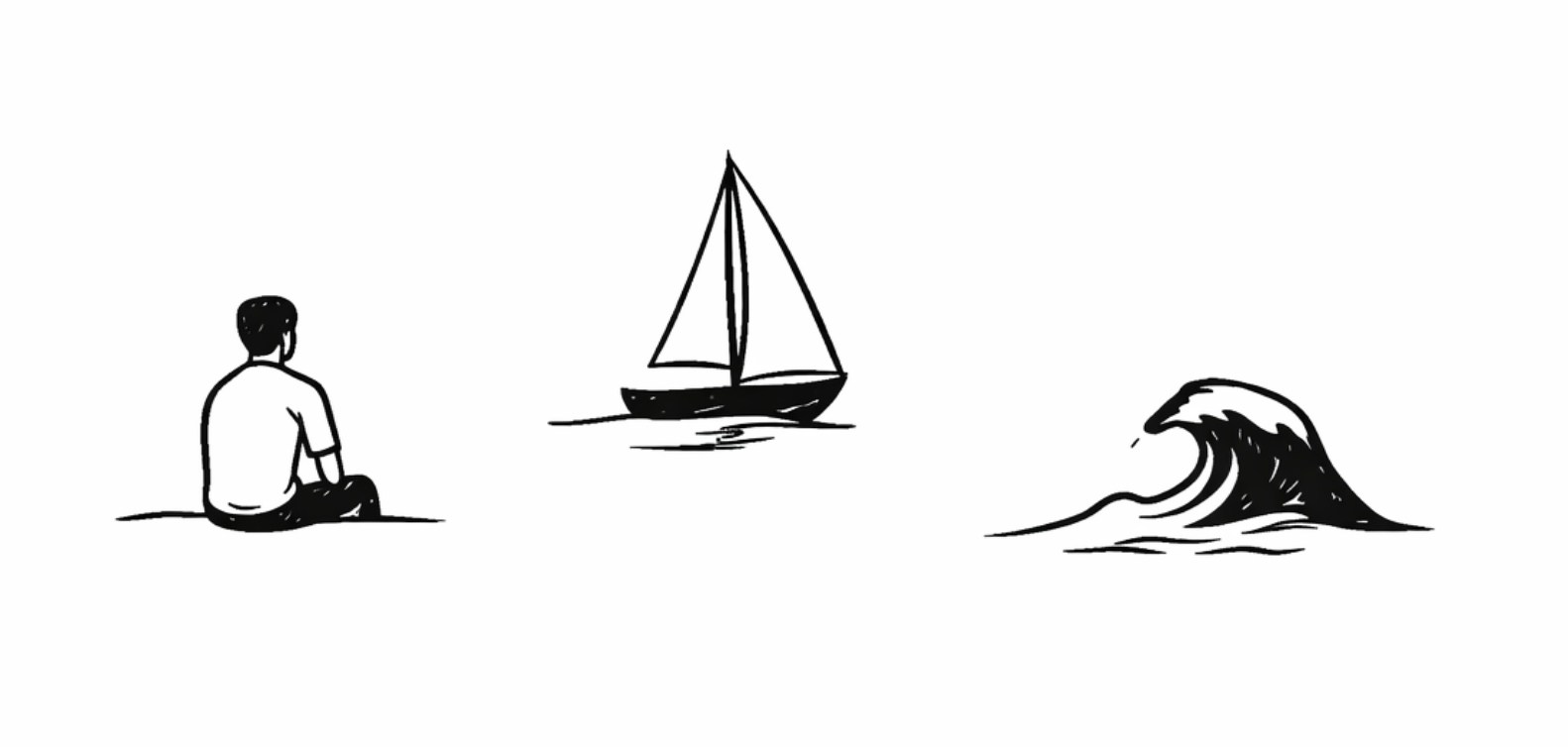
Back to the sea.
Back from whence we came.
People who love being on the water rarely stop wanting to get back out there.
Products and services may be practical, technical or beautifully made, but they are also part of something more powerful: the promise of being afloat again.
The strongest brands understand this connection and their role within it.
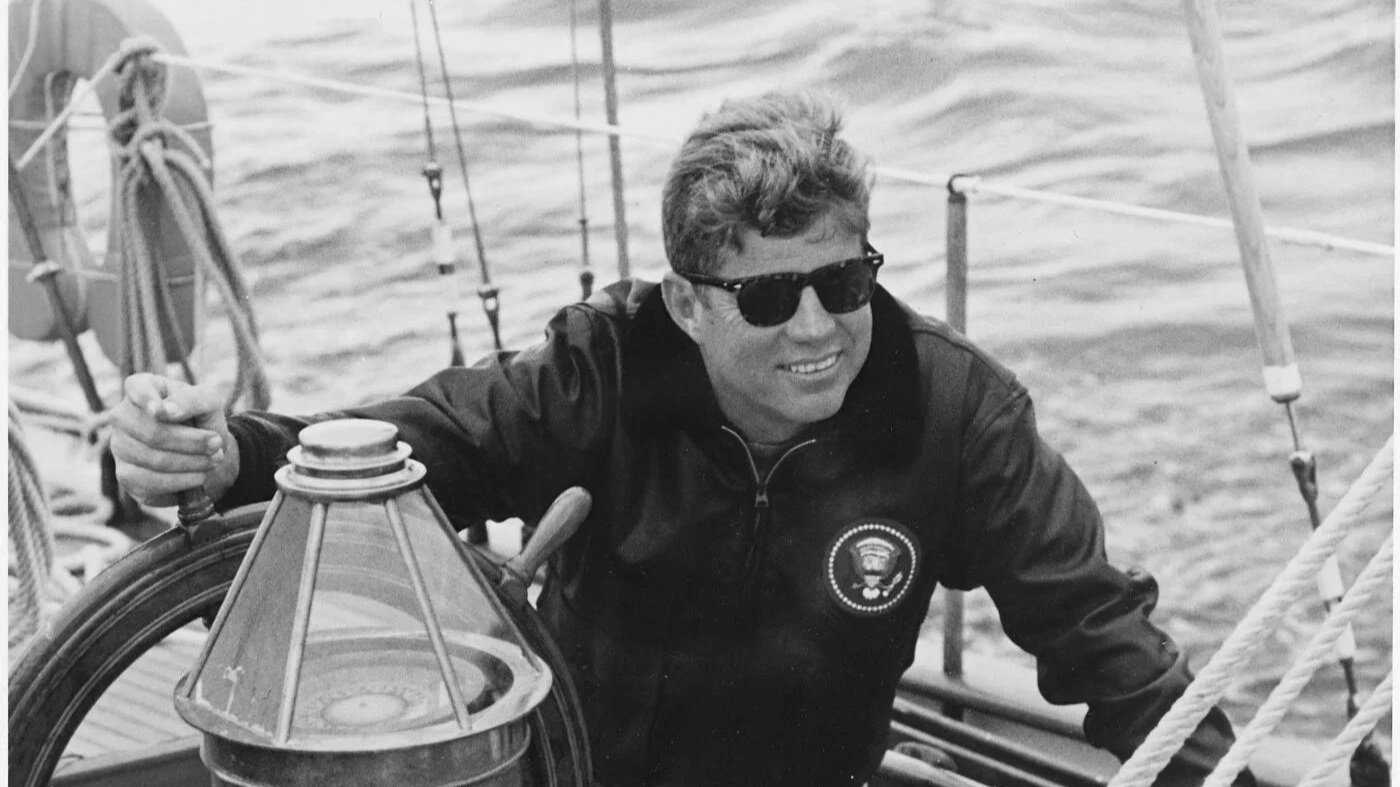
“all of us have in our veins the exact same percentage of salt in our blood that exists in the ocean, and, therefore, we have salt in our blood, in our sweat, in our tears. We are tied to the ocean. And when we go back to the sea - whether it is to sail or to watch it - we are going back from whence we came”
President Kennedy’s Remarks at the Dinner for the America's Cup Crews, September 14th 1962
What makes a great marine brand?
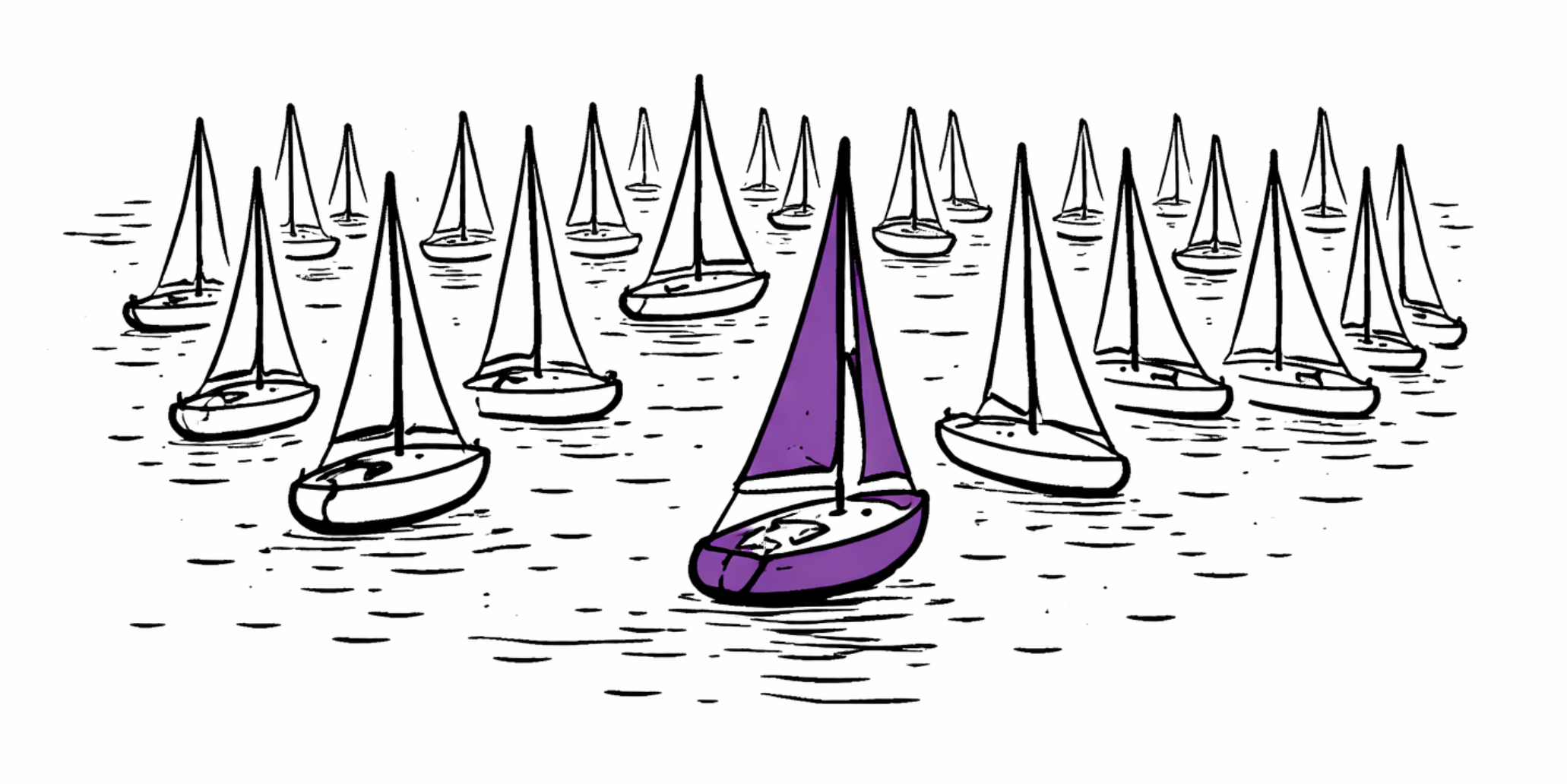
The strongest tend to have two things in common…
They know what sits at the centre of what they do and they understand what makes them stand out in the market as a unique proposition.
A remarkable product stands out, helping define its own marketing story that immediately differentiates it.
Difference is the foundation of a great story waiting to be told.
As a yachting journalist, I’ve been inside a lot of marine organisations over the years. What surprises me so often is how businesses don’t realise that the best stories are normally dormant, just sat there — and how powerful they can be.
Start with why. Always.
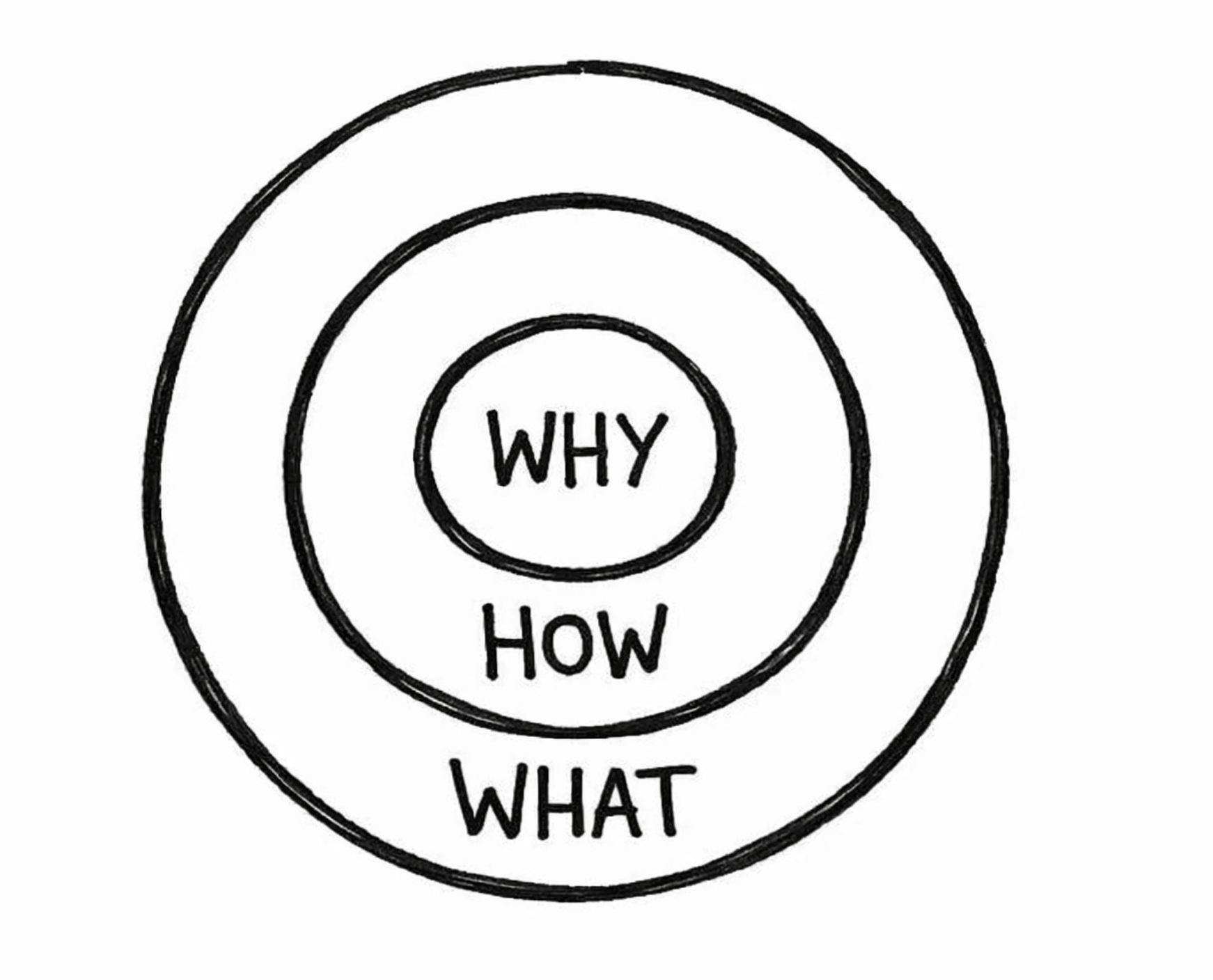
Great storytelling starts with a clear sense of identity that’s easily explained. That means a clear and coherent sense of why the business exists and the value it adds for customers.
Done properly, narrative work looks inwards before pushing any marketing out. It binds people within the organisation with a shared identity and sense of purpose.
Great stories then form the foundation of the marketing, PR and communications that follow explaining why you do what you do.
In practice it means going through everything first: the website, the brochure, the press releases, the listing copy, whatever the trade press has written about you. What comes back is short and in plain English — how you’re being read at the moment, and which part of the story isn’t being told.
Then the same in person. The stories worth telling are usually held by people who don’t think of them as stories — someone who insists on doing a job the slower way, a decision that cost money and was the right one, the thing everyone in the yard knows and nobody has written down.
Then the why. Why you do this, why you do it better than the people you’re up against, and why you stand on your own — and in what way.
Great story, well told.

So we have the story. But how to tell it?
Scattergun marketing will burn through your budget, provide little feedback to build on, and blur your unique proposition with the rest of the market.
Effective marketing will carefully consider how to carry the message to the market, which channels to use, and track how well it’s working from day one.
Frequently Asked Questions
-
PR and marketing are fundamental — but without a solid story underneath, they can turn into expensive activity that doesn’t quite land.
I help you get clear on the story first, so whatever you do next is more focused, more compelling, and better targeted — whether you’re working with an agency or an in-house team.
-
Yes. I often work alongside existing agencies.
My role is upstream: to sharpen the narrative and positioning so the work you’re already paying for becomes more coherent — and less prone to drift.
-
Because clarity is what stops waste. Without solid storytelling foundations, marketing and PR becomes fragmented fast.
My work is a focused intervention to get the story straight, so effort is spent in the right places and the work you’re already investing in becomes more effective.
-
A clear direction in plain English, positioning that can be defended, and messaging priorities your team (and any partners) can work from.
The aim is maximum impact from a focused piece of work — an injection of clarity that you can act on immediately.
-
That’s exactly the kind of business that often has the strongest story — it’s just unstated.
In the marine industry, the story is rarely invented. It’s in what you choose to do properly: the decisions, the standards, the trade-offs, the care, the point of view. Many businesses are so busy making and delivering that they never step back and articulate why it matters — even when customers would recognise it immediately.
The work is making that visible, and giving it a shape people can grasp.
-
The work is deliberately bookended: we begin with a small number of well-prepared conversations to get to the truth, then I do the heavy lifting and return with clear, usable outputs. It’s designed to deliver disproportionate value without becoming a drain on your team.
-
By working in a mission-led, timeboxed way.
Whether it’s a fixed-fee package or a bespoke piece of work, we agree the goal, the outputs and the finish line up front. If we uncover something that needs more time, I’ll propose the next step before we continue.
-
Sometimes I’m brought in purely to sharpen the story; sometimes I stay involved as it’s carried into the world.
I’ve helped bring work to life across formats — editorial, podcasts and YouTube — and I’m used to working with videographers, editors and producers. If you already have a team or agency, I’ll work alongside them; if you don’t, I can help bring the right people in and brief them properly, so the output stays focused and fits the story and the budget.
-
Because it’s how people make sense of things. We live in a world of distraction, yet humans still respond to a story that feels true.
Building my own business reinforced that: when the story is clear and the product matches it, people understand it quickly, talk about it, and come back.
Work with me.

If you’re ready to talk something through — a project, or an idea you’re still circling — I keep Fridays clear for discussions about new work.
You can book a call directly here…